
The Right Hook to Flavor: Lessons from George Foreman
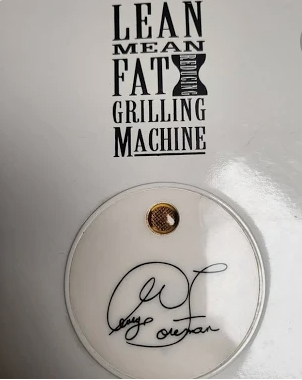
George Foreman wasn’t just a boxing legend—he was a master of the pivot. After dominating the ring, he stepped into kitchens everywhere and changed the way we cook. Not by accident, not by luck, but by seeing an opportunity and running with it.
Like so many people, my first George Foreman Grill was a game-changer. I remember unboxing it, marveling at its sloped design, and thinking, Huh, that’s smart. No complicated buttons, no learning curve—just plug it in and get cooking. And then came that tiny plastic grease tray, an unsung hero in the world of kitchen gadgets. It was both ingenious and slightly nerve-wracking, always looking like it might overflow if I so much as blinked. But that was the brilliance of it!
The Foreman Grill wasn’t just about cooking—it was about solving a problem. It made meals healthier by draining excess fat, it cooked food evenly without flipping, and it was compact enough to fit in dorm rooms, studio apartments, and cluttered kitchen counters. It was, simply put, an innovation that made life easier.
But here’s the twist: George Foreman didn’t invent it.
The Story Behind the Sloped Grill
The George Foreman Grill was actually the brainchild of Michael Boehm, an industrial designer who had a vision for a fat-reducing, slanted grill that cooked food on both sides simultaneously. He pitched the idea to Salton, Inc., but for a while, it didn’t gain much traction.
It took some time—and a little luck—but eventually, samples made their way to George Foreman’s camp. His people saw the potential, sent it to him to try, and the rest is history. Foreman, recognizing a winner when he saw one, partnered with Salton, put his name on it, and turned it into the “Lean, Mean, Fat-Reducing Grilling Machine.”
It became a runaway success, thanks in part to his now-iconic infomercials. You couldn’t turn on a TV in the late ‘90s without seeing Foreman grinning as he pressed a burger between those sizzling plates, lifting the lid to reveal perfectly seared grill marks. That was the moment people got it. It wasn’t just a grill—it was better than a grill.
And for Foreman? Let’s just say it was the best financial decision he ever made.
Speaking to the AARP in 2014, Foreman revealed that he made “much more” than $200 million from the grills—at one point earning as much as $8 million a month. Not bad for a guy who was once known solely for throwing punches in the ring.
And, fun fact: before Foreman got the deal, it was actually offered to Hulk Hogan. He turned it down… in favor of a blender. (Let’s just say history doesn’t remember the Hulk Hogan Blender quite as fondly.)
What This Has to Do with Me (And You)
Why does the Foreman Grill story hit home for me? Because I’ve spent my career helping people make smart moves—whether in business, decision-making, or designing solutions that actually work.
And that sloped design? It stuck with me.
It wasn’t just about a great burger. It was about efficiency, function, and thinking differently about how we cook. It was about making something better—not fancier, not more complicated, just better.
Fast forward to me standing over a frying pan, frustrated. Everything was cooking at the same speed, whether I wanted it to or not. My vegetables were ready, but my chicken needed more time. My steak was searing perfectly, but my onions were practically incinerated. And I thought:
What if the pan worked with me instead of against me?
Enter the iLean-Pan
That’s how the iLean-Pan was born.
A frying pan with its own slope—one side thicker for a slow, steady cook, the other thinner for a faster sear. And, just like Foreman’s grill, it lets the fat naturally flow down, keeping meals leaner without any extra effort.
It’s a simple idea. But simple ideas—when executed well—change how we live.
Not everyone has space for a countertop grill, but we all have a stove. The iLean-Pan is designed for real kitchens, real meals, and real solutions. No more juggling multiple pans, no more overcooked edges while waiting for the center to catch up. Just smarter cooking, designed to work with you, not against you.
Three Lessons from the George Foreman Grill
- The Best Ideas Solve Real Problems
The Foreman Grill didn’t succeed because it was flashy. It succeeded because it addressed a real need—healthier cooking, simplified. The best innovations aren’t about reinventing the wheel; they’re about making what already exists work better. That’s exactly what I set out to do with the iLean-Pan. - Marketing Matters (And So Does the Right Partner)
Michael Boehm had a fantastic idea, but without Foreman’s name and marketing power, it might have gathered dust on a shelf. Great products need great messaging. I believe in the iLean-Pan, but I also know that telling its story the right way is just as important as the product itself.
- Sometimes, It’s About Timing and Trusting Your Instincts
Foreman took a chance on that grill, and it changed everything. Sometimes, you have to take the leap—even when you don’t have all the answers. When I started designing the iLean-Pan, I didn’t know exactly where the journey would take me. But I knew one thing: cooking should be easier, not harder. And that was enough to move forward.
What’s Next?
Now, I’m bringing the iLean-Pan to the world. Just like the Foreman Grill, it’s designed to be simple, smart, and actually useful—no gimmicks, no fluff, just better cooking.
If you’ve ever struggled with food that cooks unevenly, if you love a good sear but hate burnt edges, if you want a pan that works with you instead of against you—this is it. The iLean-Pan is is for you.
Because great design isn’t just about looks—it’s about making life better.
Leave a Reply